
Laser therapy has become a go-to option for people dealing with pain, inflammation, and slow recovery. It is quick, non-invasive, and fits easily into a treatment plan. Many patients visiting a physical therapy laser treatment center often ask one key question. What is the difference between Class III and Class IV laser therapy, and which one works better?
Let’s break it down in a simple way so you can understand how each option works and what might suit your needs.
Understanding Laser Therapy Basics
Before comparing the two, it helps to know how laser therapy works. In simple terms, it uses light energy to stimulate healing in the body. This process improves circulation, reduces inflammation, and speeds up tissue repair.
If you have ever wondered how laser therapy helps pain relief, the answer lies in its ability to target damaged tissues and boost cellular activity. As a result, pain decreases, and recovery improves.
What Is Class III Laser Therapy?
So, what is Class III laser therapy? It is a low-level laser treatment often referred to as cold laser therapy. It uses lower power output, which makes it gentle and safe for surface-level conditions.
This type of therapy is commonly used for minor injuries, mild inflammation, and soft tissue issues. It works well for patients who need gradual healing without intense stimulation.
Because of its lower intensity, sessions may take longer, and more visits are usually required to see noticeable results.
What Is Class IV Laser Therapy?
Now, let’s look at what Class IV laser therapy is. This is a more advanced and powerful version of laser treatment. It uses higher energy levels, allowing it to penetrate deeper into tissues.
This makes it highly effective for treating chronic conditions and deeper injuries. It is often used for laser therapy for muscle pain and joint issues that require stronger stimulation.
Another advantage is speed. Class IV treatments typically deliver faster results compared to lower-level lasers.
Key Differences Between Class III and Class IV
While both therapies aim to reduce pain and promote healing, they differ in a few important ways.
Power and Depth
Class III lasers operate at lower power levels, so they mainly treat surface tissues. On the other hand, Class IV lasers penetrate deeper layers, making them suitable for more complex conditions.
Treatment Time
Class IV treatments are usually quicker. They deliver more energy in less time. Class III sessions may take longer and require more frequent visits.
Effectiveness
When it comes to which laser therapy is more effective, it often depends on the condition. For mild issues, Class III can work well. However, for chronic pain or deeper injuries, Class IV is generally more effective.
Laser Therapy for Inflammation and Pain
Both types of lasers are widely used for laser therapy for inflammation. They help reduce swelling by improving blood flow and calming irritated tissues.
They are also effective for laser therapy for muscle pain. Whether it is a sports injury or muscle strain, laser therapy can speed up recovery and reduce discomfort.
Patients often feel relief after just a few sessions, especially with higher-powered treatments.
Non-Invasive Relief for Back Pain
Back pain is one of the most common reasons people seek treatment. Many prefer non-invasive laser treatment for back pain because it avoids medication and surgery.
Laser therapy targets the source of pain, whether it is muscle tension, inflammation, or nerve irritation. Over time, it helps restore mobility and reduce stiffness.
This makes it a great option for people who want a safe and effective alternative to traditional treatments.
What to Expect at a Treatment Center
Visiting a rehabilitation laser therapy clinic is usually a straightforward process. The therapist will first assess your condition and recommend the appropriate type of laser therapy.
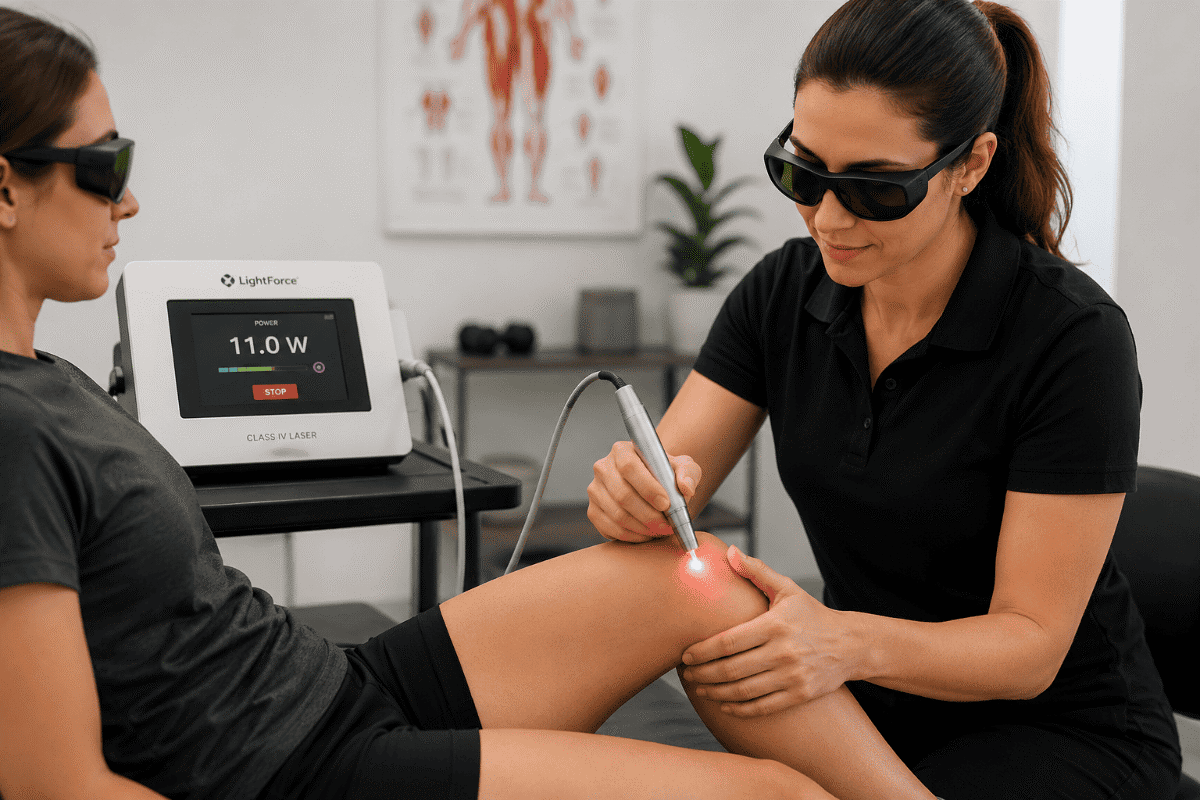
During the session, a handheld device is placed over the affected area. The treatment is painless and often feels warm and relaxing.
After the session, most patients can return to their daily activities without any downtime.
Choosing the Right Option for You
Deciding between Class III and Class IV therapy depends on your specific needs. If you are dealing with mild discomfort or surface-level issues, Class III may be enough.
However, for chronic pain, deeper injuries, or faster results, Class IV is often the better choice. A professional evaluation can help determine the best approach.
Why Laser Therapy Is Gaining Popularity
More people are turning to laser therapy because it is simple, effective, and convenient. It fits well into modern lifestyles and does not require long recovery periods.
Whether you are recovering from an injury or managing chronic pain, laser therapy offers a practical solution that supports natural healing.
Take the First Step Toward Pain Relief
If you are tired of dealing with pain and want a treatment that actually works, laser therapy might be the answer.
Experience advanced pain relief solutions at Wellcare Rehabilitation & Wellness Center. Our expert team offers personalized laser therapy treatments designed to help you recover faster.
Frequently Asked Questions
Q1: What is the difference between Class III and Class IV laser therapy?
Class III uses lower power and treats surface areas, while Class IV uses higher power to reach deeper tissues and provide faster results.
Q2: Is Class IV laser therapy more effective than Class III?
Yes, for deeper injuries and chronic conditions, Class IV is generally more effective due to its higher intensity and penetration.
Q3: What conditions can laser therapy help treat?
It can treat muscle pain, joint issues, inflammation, back pain, and sports injuries.
Q4: How long does it take for laser therapy to show results?
Some patients feel relief after a few sessions, while others may need multiple treatments depending on the condition.
Q5: Is laser therapy safe for chronic pain and inflammation?
Yes, it is a safe and non-invasive treatment when performed by trained professionals.