
Vestibular Therapy In Hallandale Beach
Regain Balance and Overcome Dizziness with Vestibular Therapy in Hallandale Beach
If dizziness, vertigo, or balance issues are making daily activities difficult, it may be more than just occasional unsteadiness. Vestibular disorders can worsen over time, leading to frequent falls, disorientation, and an overall decline in mobility and confidence.
At Wellcare Rehabilitation & Wellness Center, we specialize in evidence-based vestibular rehabilitation to help patients regain stability, control, and independence. Our customized therapy programs are designed to correct balance deficits, reduce dizziness, and prevent future episodes.
Why Vestibular Therapy in Hallandale Beach is Essential
The vestibular system, located in the inner ear, is responsible for maintaining balance and spatial awareness. When disrupted, it can lead to chronic dizziness, motion sensitivity, nausea, and difficulty with coordination.
Unlike medications that offer temporary symptom relief, vestibular therapy retrains the brain and body to restore balance naturally. This approach is highly effective for conditions such as:
- Benign Paroxysmal Positional Vertigo (BPPV) – Dislodged inner ear crystals causing spinning sensations.
- Vestibular Neuritis & Labyrinthitis – Inner ear inflammation leading to vertigo and unsteadiness.
- Ménière’s Disease – Inner ear fluid buildup triggering vertigo, tinnitus, and hearing loss.
- Migraine-Associated Vertigo – Dizziness linked to migraines and disrupted brain-ear communication.
- Post-Concussion Syndrome – Persistent balance issues after a head injury.
If left untreated, vestibular disorders can lead to worsening symptoms, increased fall risk, and long-term mobility challenges.
How Vestibular Therapy Works
Vestibular rehabilitation is a structured, progressive therapy that helps the brain adapt and compensate for balance deficits.
Treatment may include:
- Canalith Repositioning Techniques – Realigns dislodged crystals to resolve vertigo (ideal for BPPV).
- Gaze Stabilization Therapy – Trains eye movements to improve focus and reduce dizziness during head motion.
- Balance and Gait Training – Strengthens stabilizing muscles and retrains the body for smoother, controlled movement.
- Motion Sensitivity Desensitization – Gradual exposure to dizziness triggers to reduce symptom severity over time.
- Vestibular Strengthening Exercises – Builds coordination and stability for daily tasks and fall prevention.
With continued therapy, patients experience a noticeable reduction in dizziness, improved balance, and restored confidence in movement.
What to Expect During Vestibular Therapy in Hallandale Beach
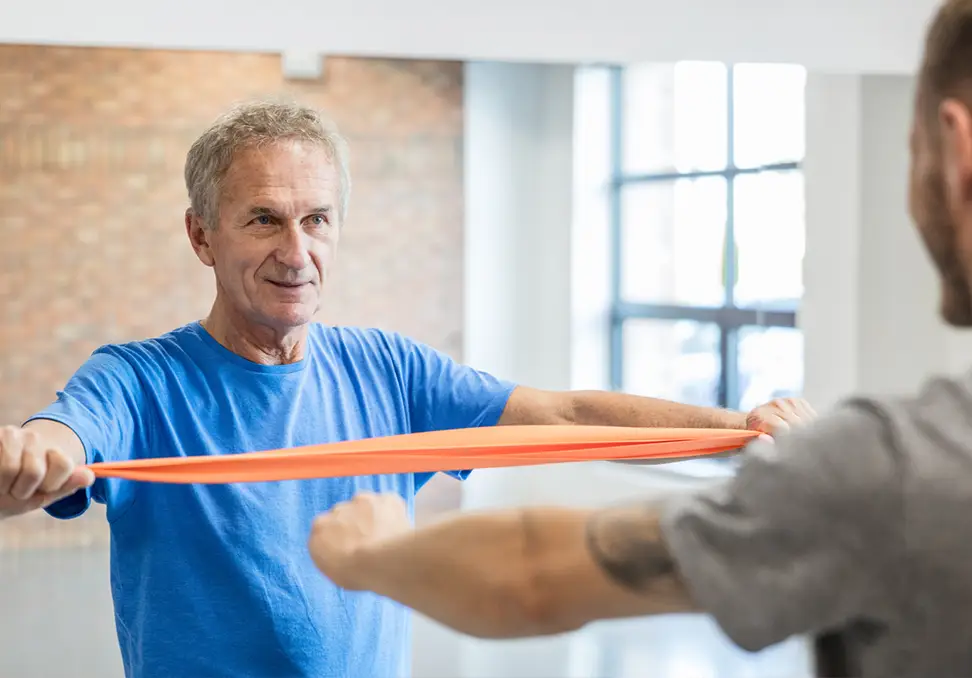
Each session is customized to your specific condition and progress, ensuring a safe and effective recovery. Treatment may include eye movement exercises to improve focus and reduce visual disturbances, helping you regain confidence in daily activities.
Balance training on various surfaces enhances coordination and minimizes fall risks, while walking and postural correction strengthen stability in real-life settings. Vestibular adaptation exercises help the brain adjust to movement changes, promoting a smoother, more natural response to motion.
Therapy is progressively adjusted to encourage steady improvement without overstimulation. Most patients begin noticing positive results within just a few weeks, making consistent therapy an essential step toward long-term stability and well-being.
The Consequences of Delaying Treatment
Without proper intervention, vestibular disorders can worsen, increasing the risk of:
- Frequent falls and loss of independence.
- Long-term motion sensitivity and visual disturbances.
- Progressive dizziness leading to avoidance of daily activities.
- Emotional distress, anxiety, and social withdrawal due to imbalance.
Early treatment can prevent these complications and restore balance before symptoms become debilitating.
Take Control of Your Balance and Mobility
If dizziness, vertigo, or instability is interfering with your life, vestibular therapy at Wellcare Rehabilitation & Wellness Center can help you regain control, stability, and freedom of movement. Don’t wait until symptoms get worse. Contact Wellcare Rehabilitation & Wellness Center in Hallandale Beach today and take the first step toward lasting relief.
Frequently Asked Questions About Vestibular Therapy
Q1: What is vestibular therapy and how does it help with dizziness?
Vestibular therapy is a targeted rehabilitation program designed to reduce dizziness and improve balance. It works by training your brain to adapt to signals from the inner ear through specific eye, head, and body movements. Over time, this helps decrease vertigo symptoms and restores stability in everyday activities.
Q2: Who should consider vestibular therapy in Hallandale Beach?
Vestibular therapy in Hallandale Beach is recommended for individuals experiencing frequent dizziness, vertigo, balance issues, or unsteadiness while walking. It is especially helpful for those recovering from inner ear disorders, concussions, or age-related balance decline, allowing them to regain confidence and reduce fall risk.
Q3: How quickly can vestibular therapy improve balance?
Improvement timelines vary, but many patients begin to notice reduced dizziness and better balance within a few sessions. Consistent therapy over several weeks typically leads to more stable, long-lasting results, especially when exercises are practiced regularly at home.
Q4: What happens during a vestibular therapy session?
During a vestibular therapy session, a specialist evaluates your balance, eye movements, and coordination. Based on this, they guide you through customized exercises such as gaze stabilization, balance training, and controlled head movements to gradually retrain your body and brain for better stability.
Q5: Is vestibular therapy effective for long-term relief from vertigo?
Yes, vestibular therapy is highly effective for managing and often significantly reducing vertigo symptoms. While results depend on the underlying cause, most patients experience long-term relief as their brain adapts and compensates for balance dysfunction, improving overall quality of life.
Temo Rivera

Michael is extremely knowledgeable and a great physical therapist. I’ve been to several centers through the years after several car accidents and this is by far the best I’ve been to. Great staff facilities. Highly recommend it!

Elaine Cohen
Absolutely terrific!!! Michael has created a family atmosphere while he and his staff perform first-rate PT. Don’t be put off by the store facilities. These people know what they’re doing!