
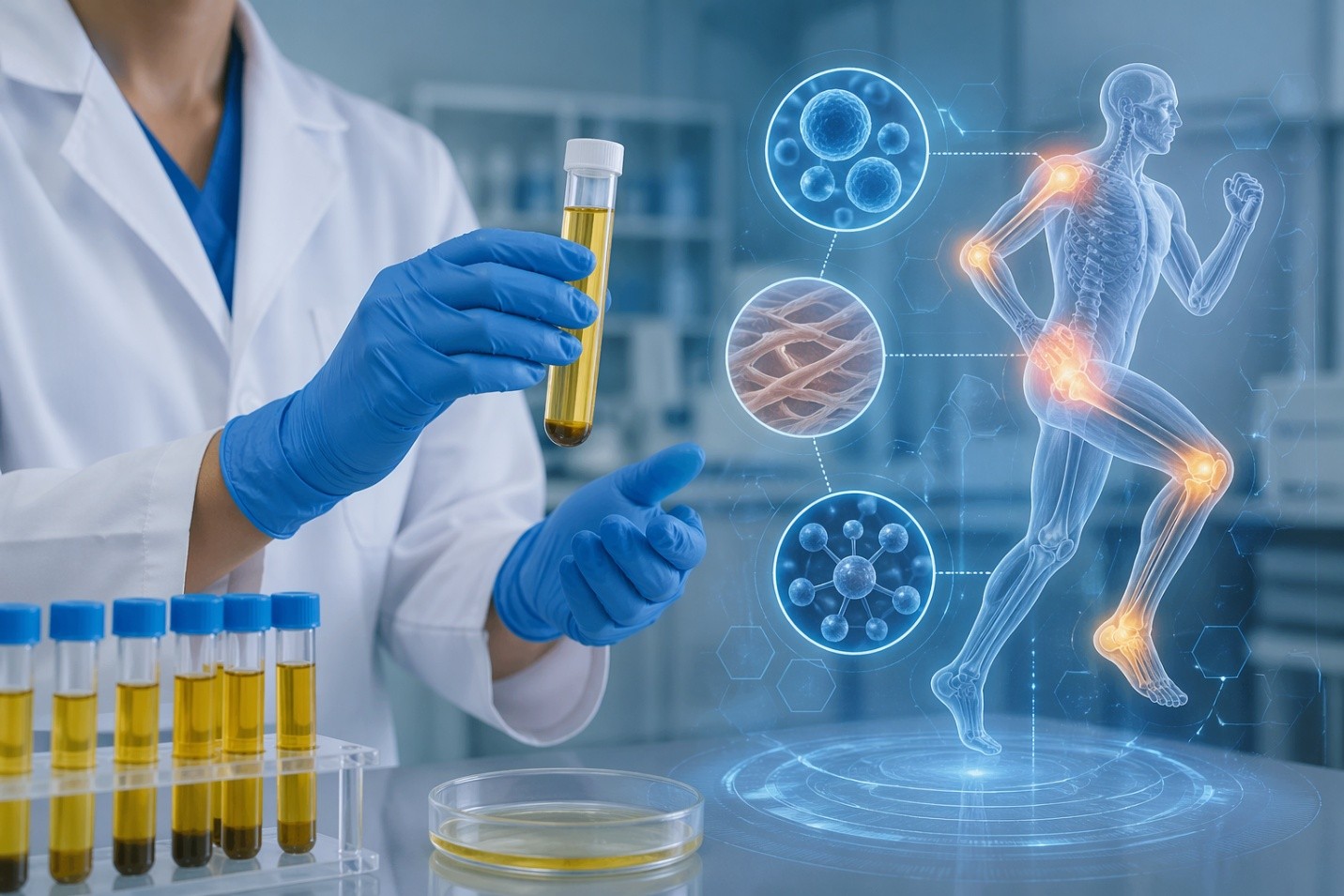
Healing is not what it used to be. People are now looking for smarter, more natural ways to recover. That is where regenerative medicine comes into play. It is all about helping your body fix itself instead of relying only on medication or surgery.
So, what is regenerative medicine? Simply put, it is a way to boost your body’s own healing power. It focuses on repairing damaged tissues, easing pain, and getting you back on track faster.
Regenerative Medicine Definition
Let’s keep it simple. The Regenerative medicine definition is a branch of care that helps rebuild or repair damaged cells and tissues.
Instead of covering up symptoms, it goes straight to the root of the issue. That is why many people now lean toward regenerative medicine therapy for long-term results.
How Regenerative Medicine Works
Now you might be wondering, how regenerative medicine works in real life.
Your body already knows how to heal. But sometimes, it just needs a little push. That is where these treatments step in.
Here is how it usually goes:
- It wakes up inactive or damaged cells
- It boosts blood flow to the area
- It helps grow new, healthy tissue
- It calms down inflammation
So yeah, instead of a quick fix, it supports real healing. That is why regenerative medicine treatments are becoming more popular.
Types of Regenerative Medicine
There are different types of regenerative medicine, and each one does something a bit different.
Some common ones include:
- PRP therapy
- Stem cell-based approaches
- Growth factor treatments
- Tissue repair techniques
Each option is picked based on what your body needs. In many cases, a mix of regenerative medicine procedures works best.
Common Regenerative Medicine Procedures
Let’s talk about the actual regenerative medicine procedures.
These are usually simple and do not take forever. Some common ones include:
- PRP injections for joints
- Treatments for soft tissue repair
- Therapies for cartilage support
- Non-surgical recovery plans
The best part? Most people can get back to their routine pretty quickly.
Benefits of Regenerative Medicines
There are plenty of benefits of regenerative medicines, and honestly, that is why people are loving it.
Here is what stands out:
- Supports natural healing
- Helps avoid surgery
- Speeds up recovery
- Reduces long-term pain
- Improves movement
So instead of just getting by, people actually feel better and stronger.
How Regenerative Medicine Helps in Healing Injuries
Injuries can be stubborn. They take time and sometimes just do not heal well. That is where How regenerative medicine helps in healing injuries really shines.
These treatments work deep inside the tissue. They help rebuild and repair from within.
They are often used for:
- Sports injuries
- Ligament tears
- Tendon issues
- Joint problems
So instead of patching things up, regenerative medicine therapy helps fix the real problem.
Who Should Consider Regenerative Medicine?
Not just athletes. Not just severe injuries. A lot of people can benefit from regenerative medicine treatments.
It may be a good fit if you:
- Have ongoing joint pain
- Are dealing with an injury
- Want to avoid surgery
- Feel limited in movement
Still, it is always smart to get checked first. A proper plan makes all the difference.
What to Expect During Treatment
Most regenerative medicine procedures are quick and simple. No long hospital stays. No big recovery drama.
You might feel mild discomfort, but nothing too serious. After that, your body starts doing its thing.
Results take time. But hey, good things usually do.
Is Regenerative Medicine Safe?
Safety matters, no doubt. The good news is that regenerative medicine therapy is generally safe when done by trained professionals.
Since many treatments use your own cells, the risk is lower compared to surgery. Still, proper care and guidance are key.
Conclusion
At the end of the day, regenerative medicine is changing how people heal. It is not about quick fixes. It is about real recovery.
With different types of regenerative medicine and advanced regenerative medicine treatments, people now have better options. Healing feels more natural, and results last longer.
Want to try a smarter way to heal with regenerative medicine therapy? Connect with Wellcare Rehabilitation & Wellness Center and explore care that works with your body, not against it.
Thinking about safe and effective regenerative medicine procedures? Reach out to Wellcare Rehabilitation & Wellness Center and take the first step toward better recovery and stronger movement.
Frequently Asked Questions
Q1: What is regenerative medicine?
It is a treatment approach that helps the body repair damaged tissues using natural healing processes.
Q2: How does regenerative medicine work?
It boosts cell activity, improves blood flow, and supports tissue repair for better healing.
Q3: What does regenerative medicine do?
It reduces pain, restores function, and improves recovery without major surgery.
Q4: What treatments are included in regenerative medicine?
Common options include PRP therapy, stem cell treatments, and tissue repair techniques.
Q5: Does regenerative medicine really work?
Yes, many people see better healing and reduced pain over time.
Q6: Is regenerative medicine safe?
It is generally safe when performed by trained professionals using proper methods.
Q7: What conditions can regenerative medicine treat?
It helps with joint pain, injuries, and soft tissue damage.
Q8: How long does regenerative medicine take to work?
It varies, but many people notice improvements within a few weeks.
Q9: What is the difference between regenerative medicine and stem cell therapy?
Stem cell therapy is one part of regenerative medicine. There are other treatments too.
Q10: How much does regenerative medicine cost?
Costs depend on the treatment type and individual needs.